
30 MARCH 2026 | 3 min reading
Dental Veneers: Benefits, Natural Results, and What You Really Need to Know
Dental veneers nowadays play an important role in smile aesthetics. They are often associated with the idea of a visible, sometimes even dramatic, transformation oft he smile. Yet when treatment is properly planned and carried out, our goal is not to transform a face or standardize a smile. It is to achieve the right improvement, in harmony with the person, their expression, and the overall balance of their appearence.
What Is a Dental Veneer?
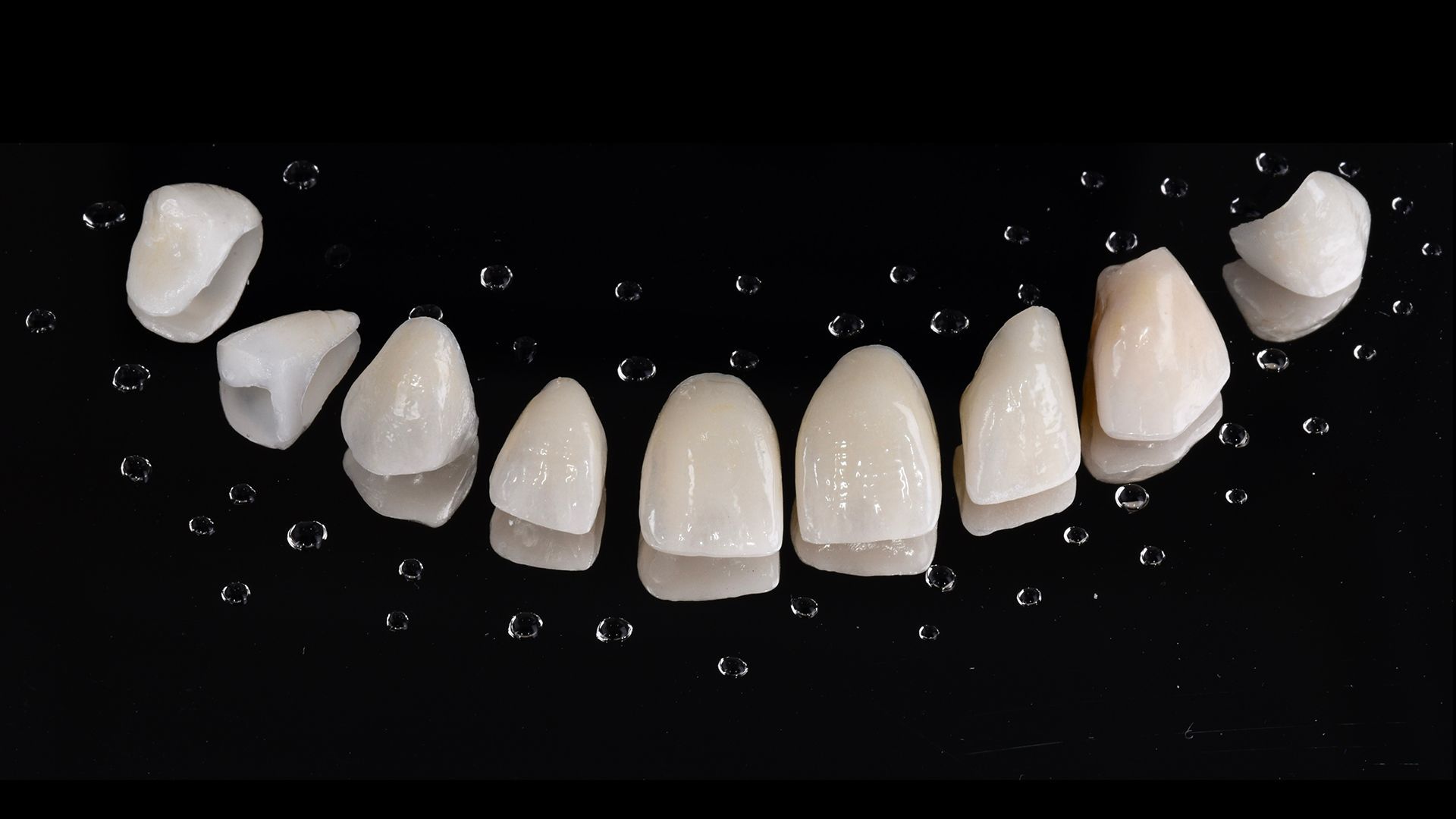
A dental veneer is a thin restoration made of ceramic or composite that is bonded to the visible surface of a tooth. It may be indicated when certain teeth show wear, an unaesthetic shape, a fracture, discoloration that does not respond to conventional treatments, or minor asymmetries. But reducing dental veneers to a purely cosmetic correction would be too limited a view. Their true value lies in the ability to improve a smile with subtlety, while preserving as much natural tooth structure as possible whenever the clinical situation allows it.
What Determines the Quality of a Natural Result
What makes the result of
dental veneers truly successful is not simply the color of the teeth. Above all, it is coherence. A natural smile does not depend on excessive whiteness or perfect geometry. It relies on balanced proportions, softness in the shapes, proper integration of light, and harmony with the face. When a treatment is thoughtfully designed, it does not attract attention through excess. It simply gives the impression that everything is where it should be.
This is precisely why dental veneers should never be considered a systematic answer. Every indication must be made with discernment. Before any treatment, a careful analysis is required in order to assess the condition of the teeth, the quality of the enamel, function, occlusion, smile dynamics, and the patient’s true expectations. In some cases, dental veneers are a particularly elegant and conservative solution. In others, a different approach may be more appropriate.
A Clinical Example:
Restoring a Smile Without Altering Its Character
This approach becomes especially meaningful in situations where a smile has gradually lost its harmony, not only because of wear, but also because of the accumulation of older restorations that no longer meet the patient’s aesthetic expectations.
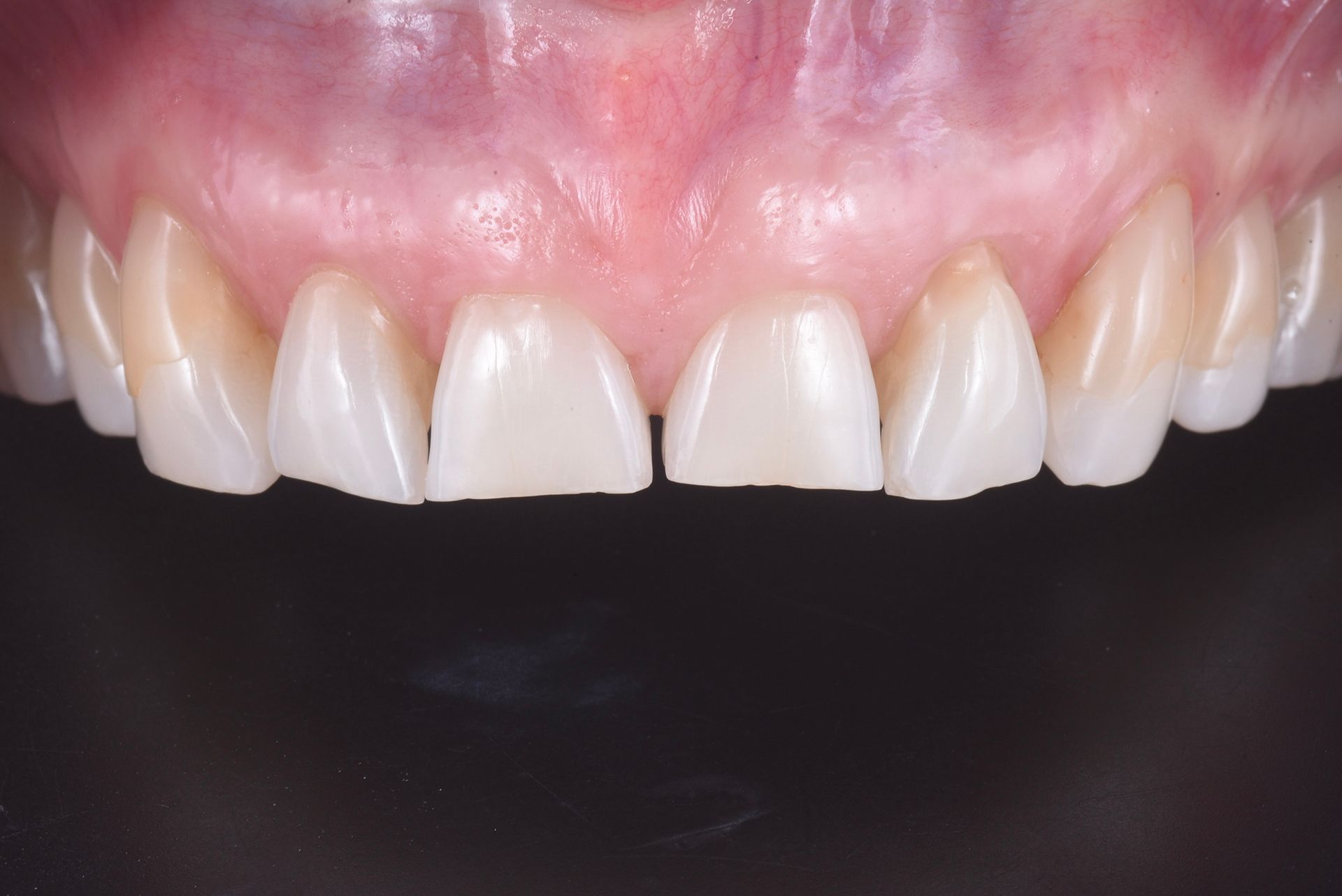
In the case presented here, the patient showed wear of the anterior teeth associated with old composite restorations that had become inadequate. Beyond their imperfect integration, these restorations displayed marked polychromy and a heterogeneous appearance that disrupted the overall reading of the smile. The patient was not seeking an excessive change, but rather a result that was more refined, more coherent, and more elegant.
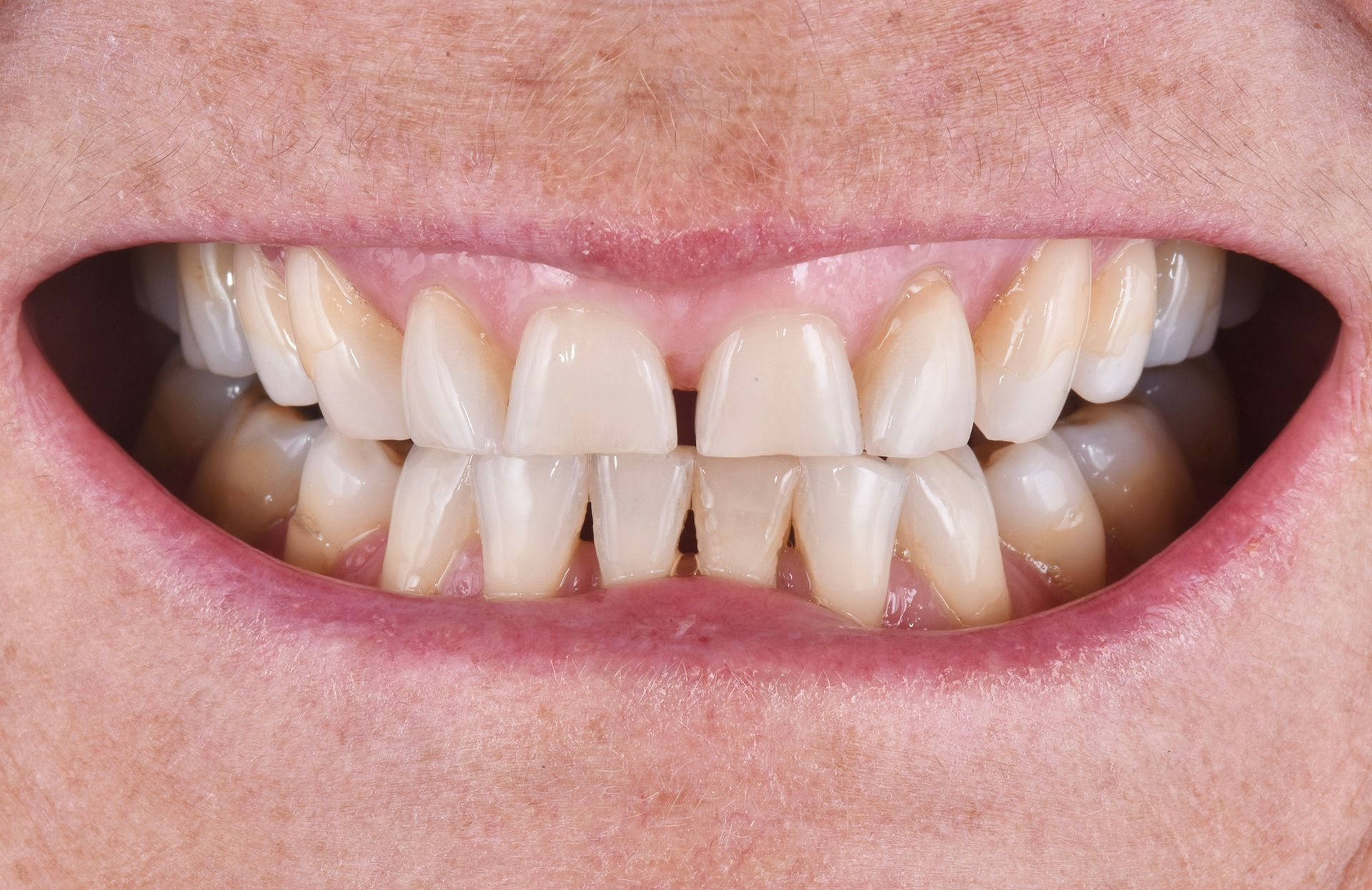
The initial analysis was therefore not limited to tooth color or shape. It focused on the smile as a whole, on visible proportions, and on the relationship between aesthetics and function. It is precisely in this type of situation that ceramic dental veneers can represent a particularly relevant solution, provided they are part of an overall treatment philosophy and not seen as a simple cosmetic correction.
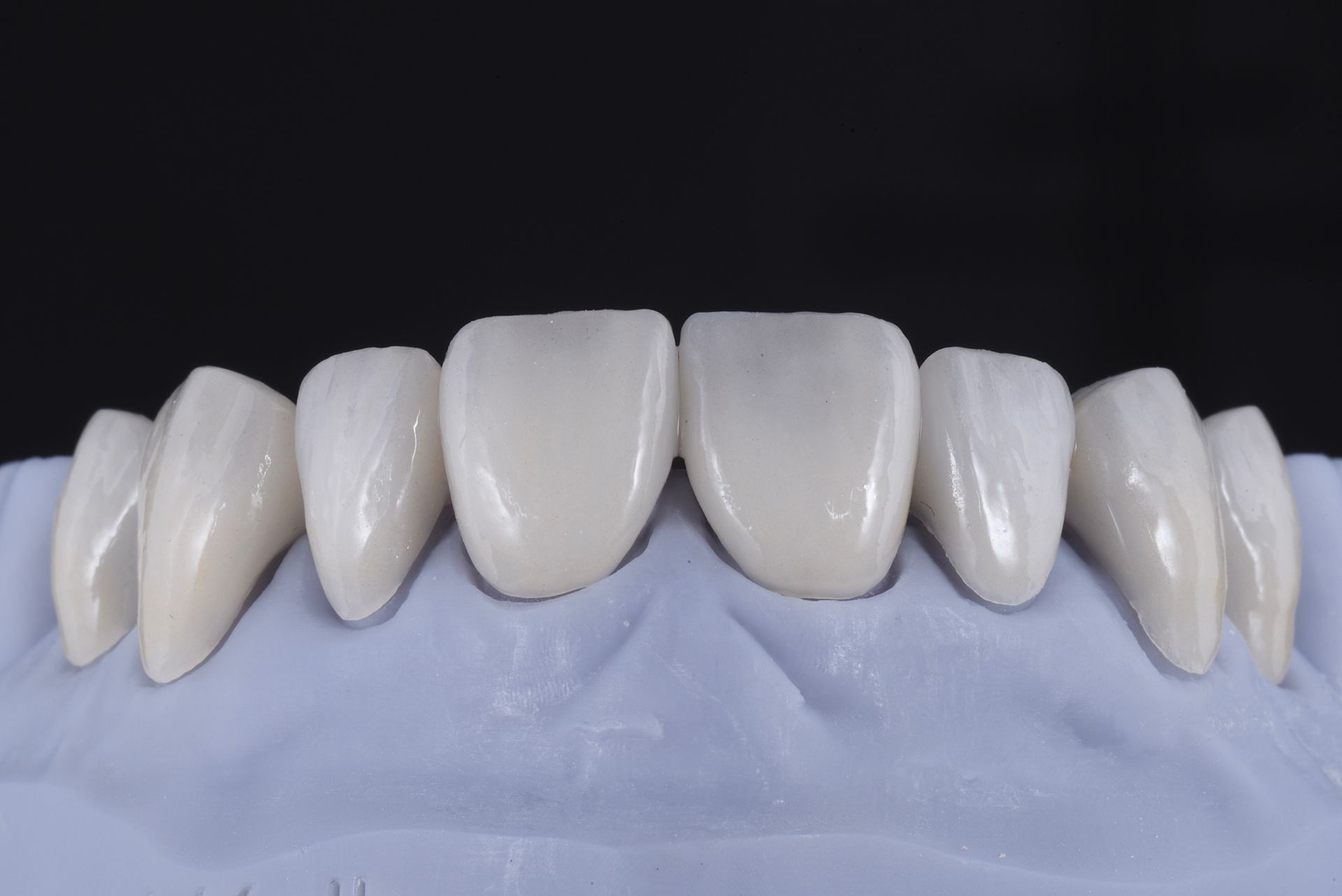
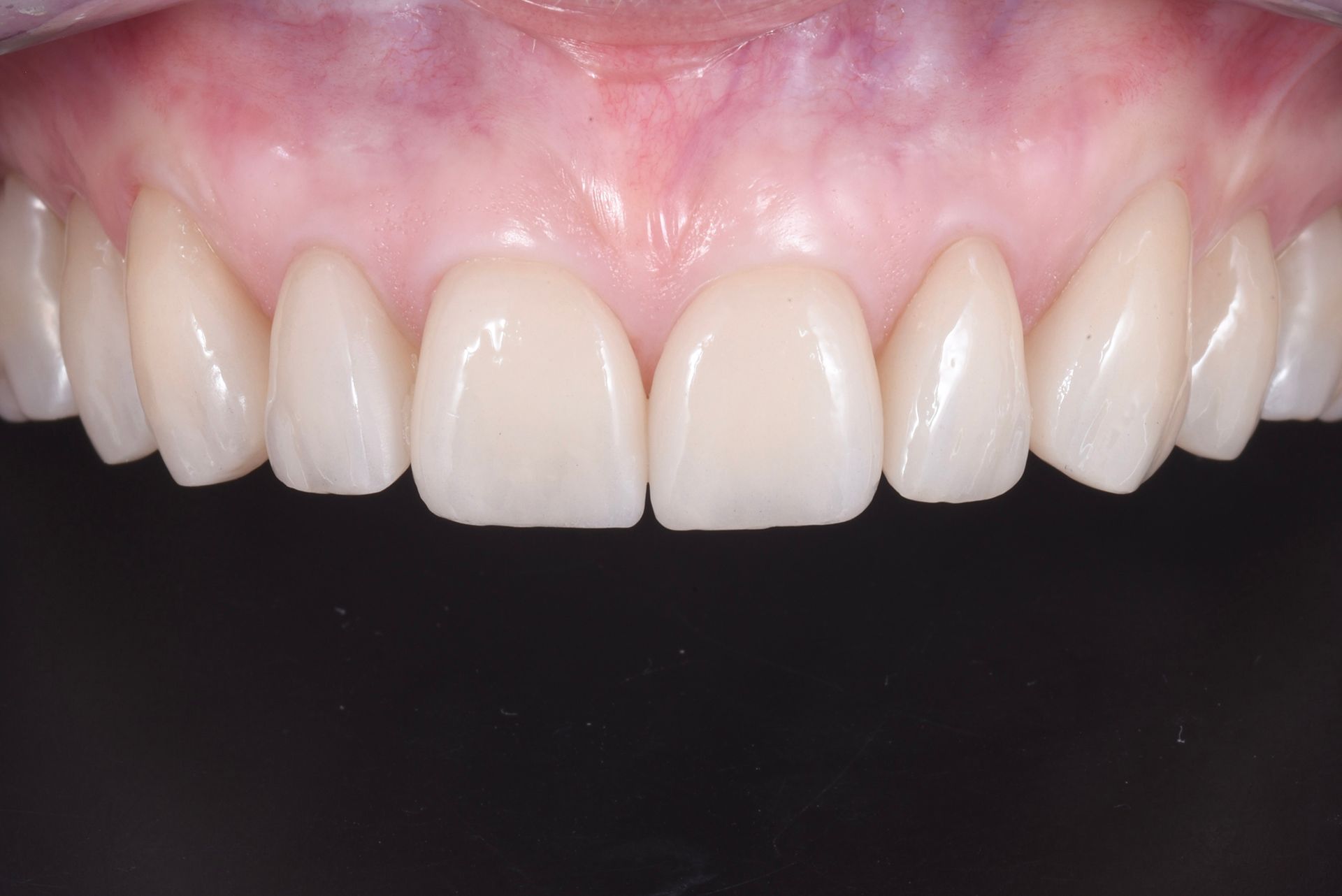
The aesthetic plan, which included eight dental veneers from the upper right first premolar to the upper left first premolar, was designed to restore light, subtlety, and a more harmonious reading of the anterior segment. In aesthetic dentistry, the quality of a result often depends on details that may seem discreet, yet profoundly change the overall perception.
The Clinical Protocol: Precision and Long-Term Reliability
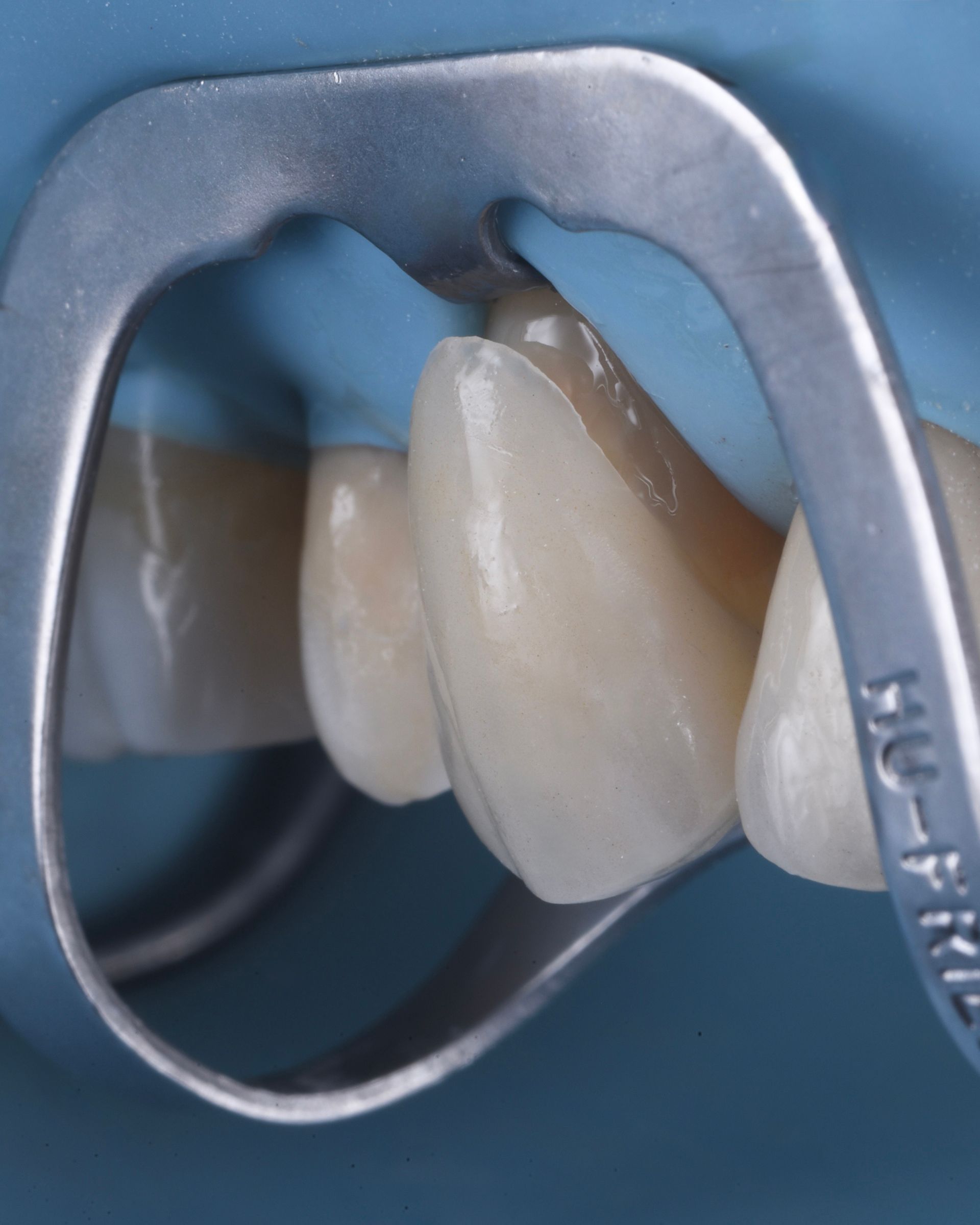
The success of veneer treatment does not depend only on the beauty of the restorations. It depends just as much on the rigor with which they are implemented. The adhesive bonding phase was carried out according to a strict protocol, under rubber dam isolation, in order to ensure optimal control of the operative field and preserve the quality of the result over time. This technical requirement plays an essential role in the long-term reliability of the treatment.
The quality of bonding is a determining factor in the longevity of ceramic restorations. A rigorous protocol ensures not only mechanical adhesion, but also the biological integrity of the surrounding tissues.
Integration: The True Criterion of a Beautiful Smile
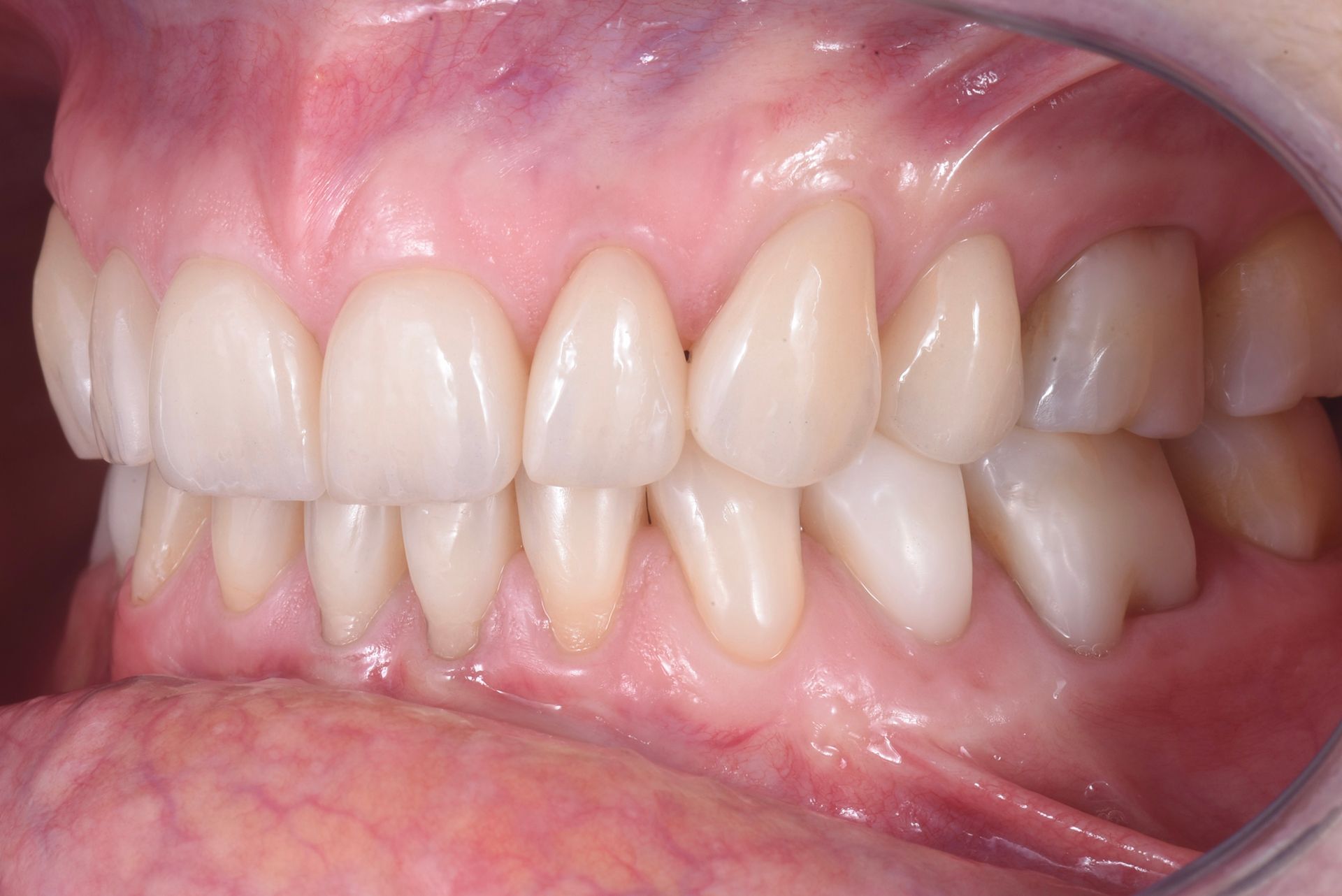
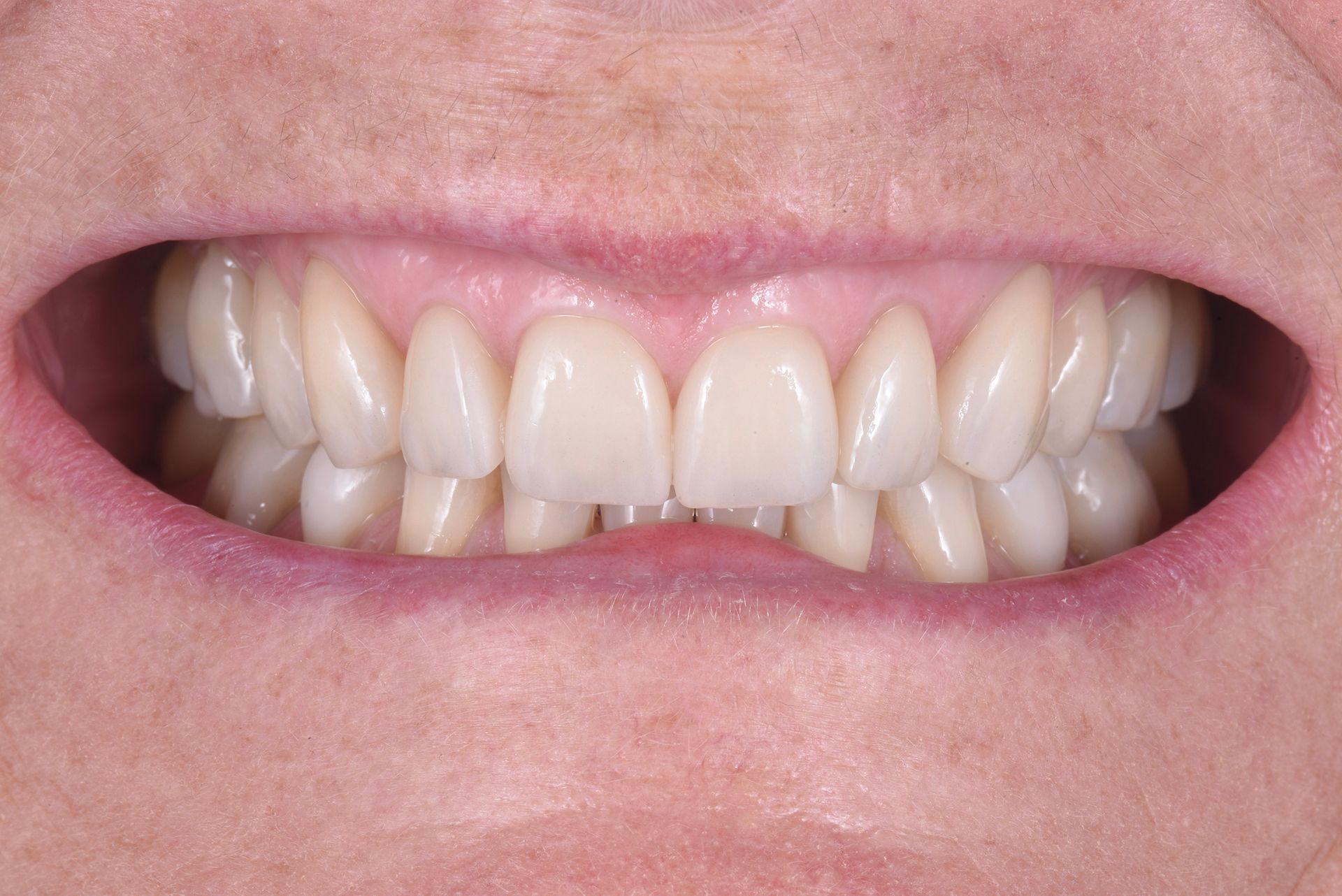
The final result is not revealed only in the detail of the restorations, no matter how refined they may be. It is revealed above all in their integration. At close range, dental veneers must express finesse, texture, and lightness. They must restore light without excess, correct without hardening, and enhance without altering.
But an aesthetic treatment can never be judged only from a close-up view. It must also be assessed as a whole, at the level of the arch, function, and the relationship between arches in a stable dental occlusion: This is what makes it possible to pursue a result that is beautiful, functional, and durable at the same time. To learn more about the clinical approach adopted, you can visit our page dedicated to aesthetic treatments at Geneva Smile Center: our clinic is specialized in minimally invasive aesthetic dentistry.
When a treatment is well designed, it does not impose itself on the eye. It simply restores to the smile a sense of evidence, balance, and coherence. Ultimately, it is in this ability to integrate naturally with the person that the true quality of a result with dental veneers lies.
Dental Veneers:
Natural Aesthetics Designed to Last
When they are properly indicated and performed with precision, dental veneers can offer highly satisfying results that are aesthetic, functional, and durable. Their success does not rely on a promise of perfection, but on the quality of the diagnosis, clinical expertise, respect for dental tissues, and the ability to seek a result that remains credible over time.
Ultimately, the question is not whether dental veneers can create a beautiful smile. The real question is whether they represent, for this specific patient, the most coherent solution. Because in aesthetic dentistry, the best result is not always the one that is most noticeable. It is often the one that feels obvious, natural, and deeply suited to the person who wears it.