



Adult Orthodontics
Over the past two decades, orthodontic treatment in adults has experienced a significant evolution, largely driven by the development of clear aligner therapy. In fact, very few adults were willing to commit to long and demanding treatments if this also means facing the social discomfort of visible metal braces for months or years. In this respect, clear aligners have represented a true turning point as it made possible to achieve highly effective results with a discreet and comfortable approach. Among different systems available, Invisalign has established itself as a global leader. At Geneva Smile Center, we are fortunate to rely on the expertise of Dr. Coto Hunziker, a highly experienced clinician and long-standing Platinum Provider, as recognized on the official Invisalign platform:
https://www.invisalign.ch/fr/doctor-profile/dr--viviana-coto-hunziker/235238
Aligning teeth with clear aligners is, however, much more than a simple treatment, it is a process. Patients engage with their therapy on a daily basis, wearing the aligners 22–23 hours per day, removing them only to eat and perform oral hygiene. Over time, this creates a deeper awareness of one’s own oral health. Patients begin to feel the changes, understand their hygiene habits, and develop a new level of attention and discipline.
This aspect is essential. As Viviana often say: “Aligners don’t fail, lack of wear does.” Their effectiveness is not only observed clinically, but also well supported by international literature since many years.[1]
In adult patients, orthodontics rarely stands alone. Years of function with misalignment or occlusal imbalance often led to irregular tooth wear or minor structural changes. Once the teeth are aligned, they may no longer present their original shape, making minimally invasive restorative procedures an important step to refine and harmonize the final result.
At the same time, aligners offer the opportunity to perform tooth whitening during treatment, a frequently requested addition that enhances the brightness and overall vitality of the smile.
At the end of treatment, the benefits go well beyond aesthetics. Patients experience improved occlusion, better functional balance, easier oral hygiene, and, most importantly, a renewed sense of confidence in their smile. This is something we observe daily in our patients and is also supported by scientific evidence showing improvements in oral health–related quality of life after orthodontic care.[2]
Ultimately, when properly planned and followed, clear aligner therapy can represent a truly life-changing step. Not through artificial transformation, but by restoring balance, health, and confidence, allowing each patient to rediscover a smile that feels natural, comfortable, and entirely their own.
For us, given its central role and impact in modern dentistry, this approach is not just one treatment among others : it is one of the most important and representative elements of how we care for our patients at the Geneva Smile Center.
[1] G Rossini, S Parrini, T Castroflorio, A Deregibus, CL Debernardi. Efficacy of clear aligners in controlling orthodontic tooth movement: a systematic review. Angle Orthod 2015 Sep;85(5):881-9. doi: 10.2319/061614-436.1.
[2] Y Zhou, Y Wang, XY Wang, G Volière, RD Hu. The impact of orthodontic treatment on the quality of life a systematic review. BMC Oral Health 2014 Jun 10:14:66. doi: 10.1186/1472-6831-14-66.
CASE 1
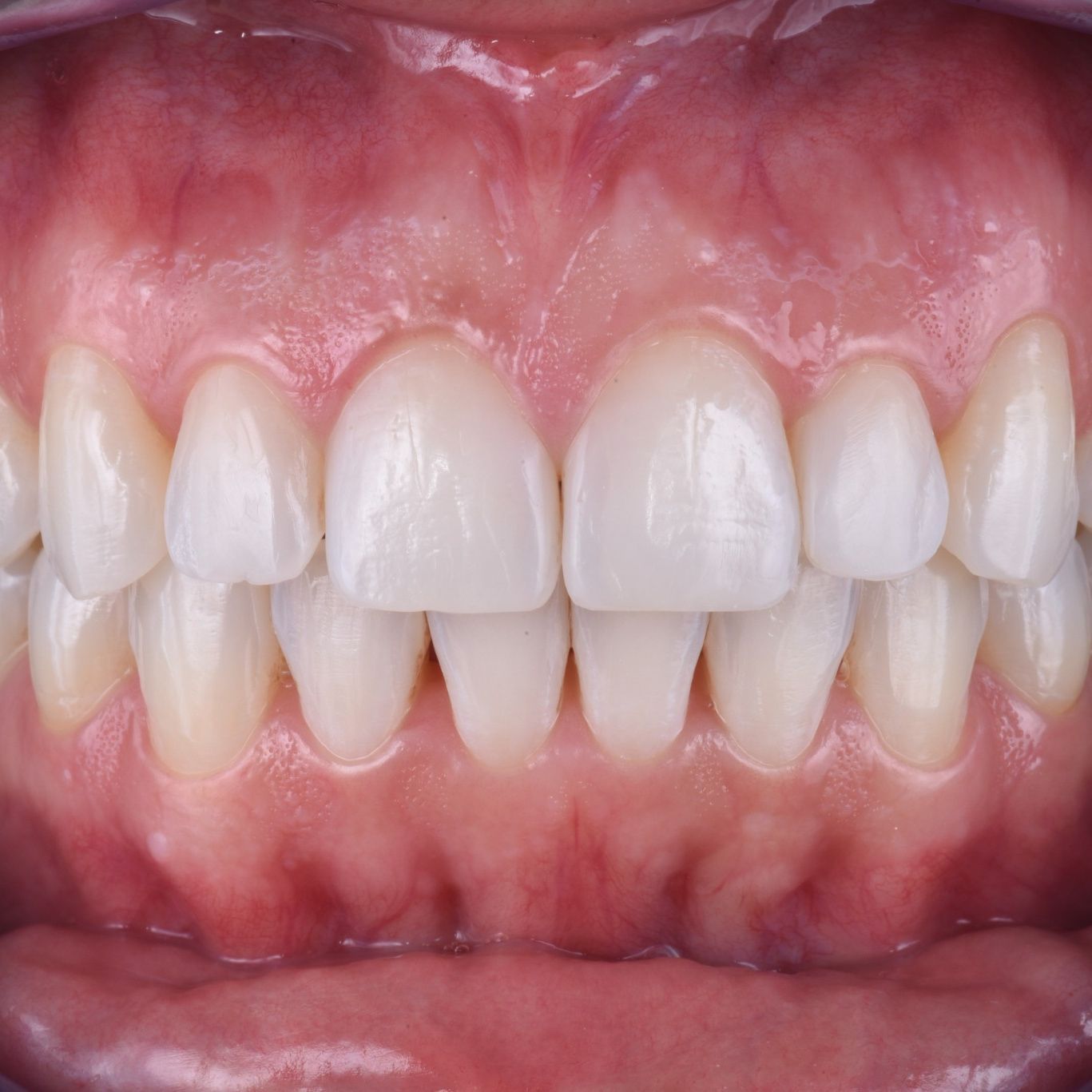
CASE 3
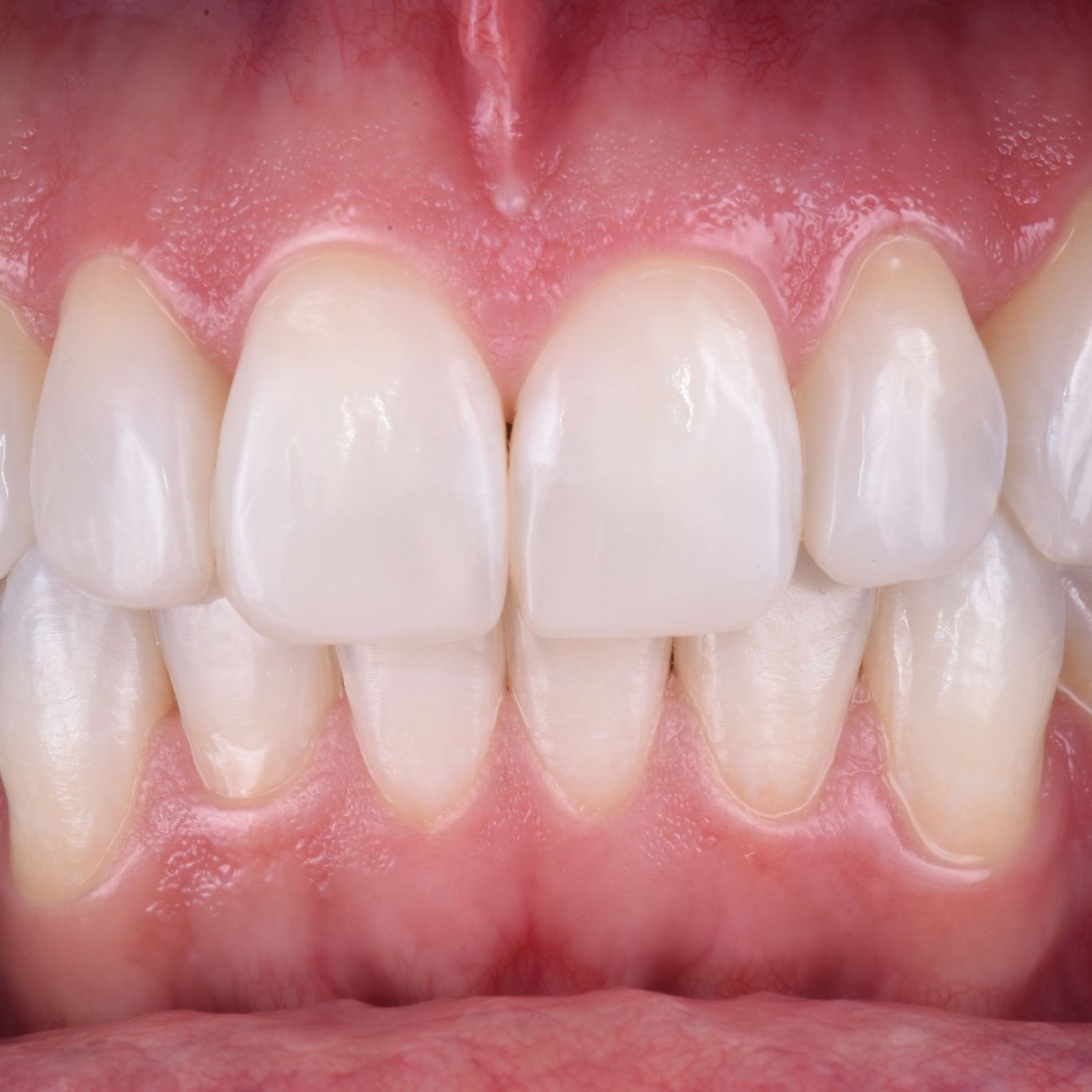
CASE 5
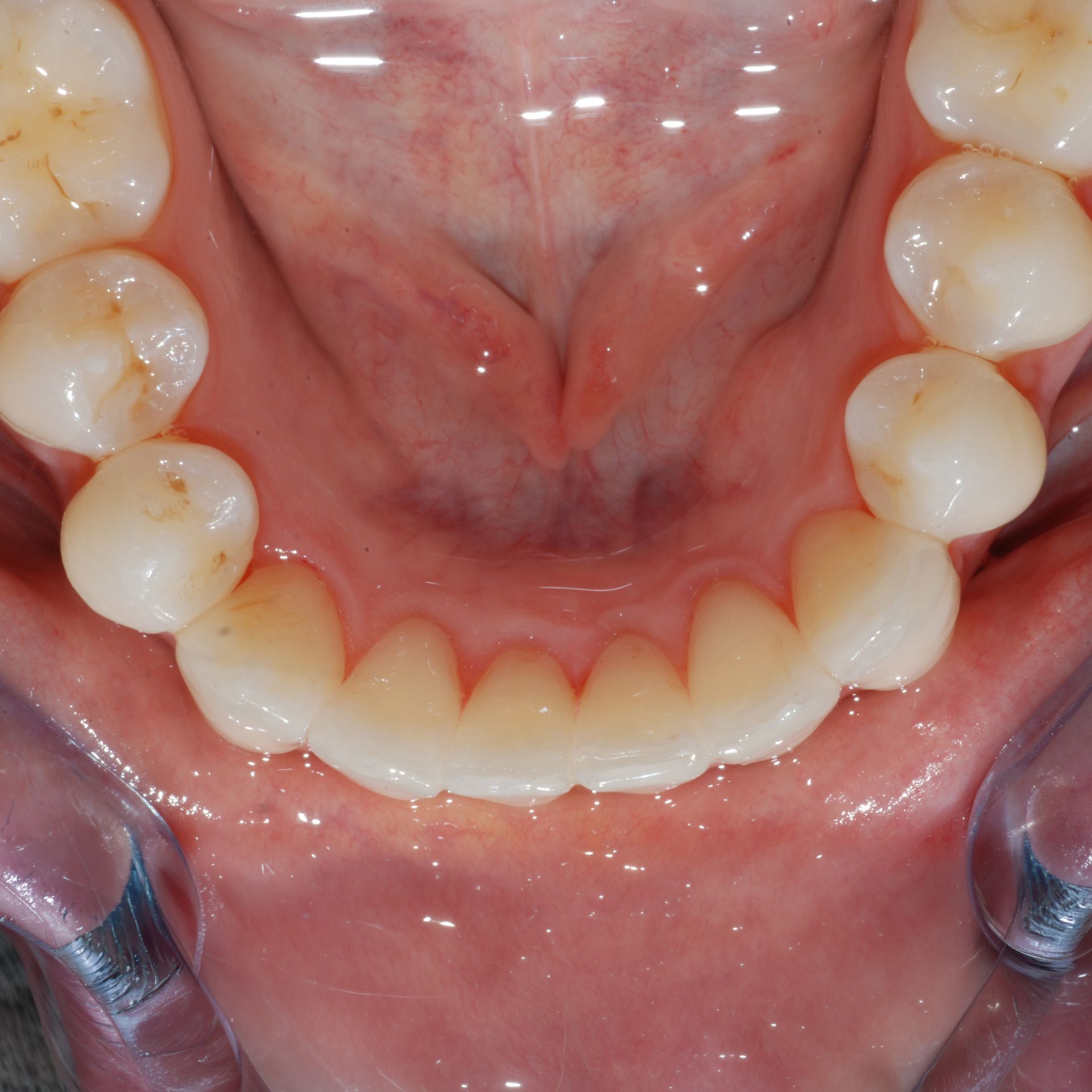
CASE 7
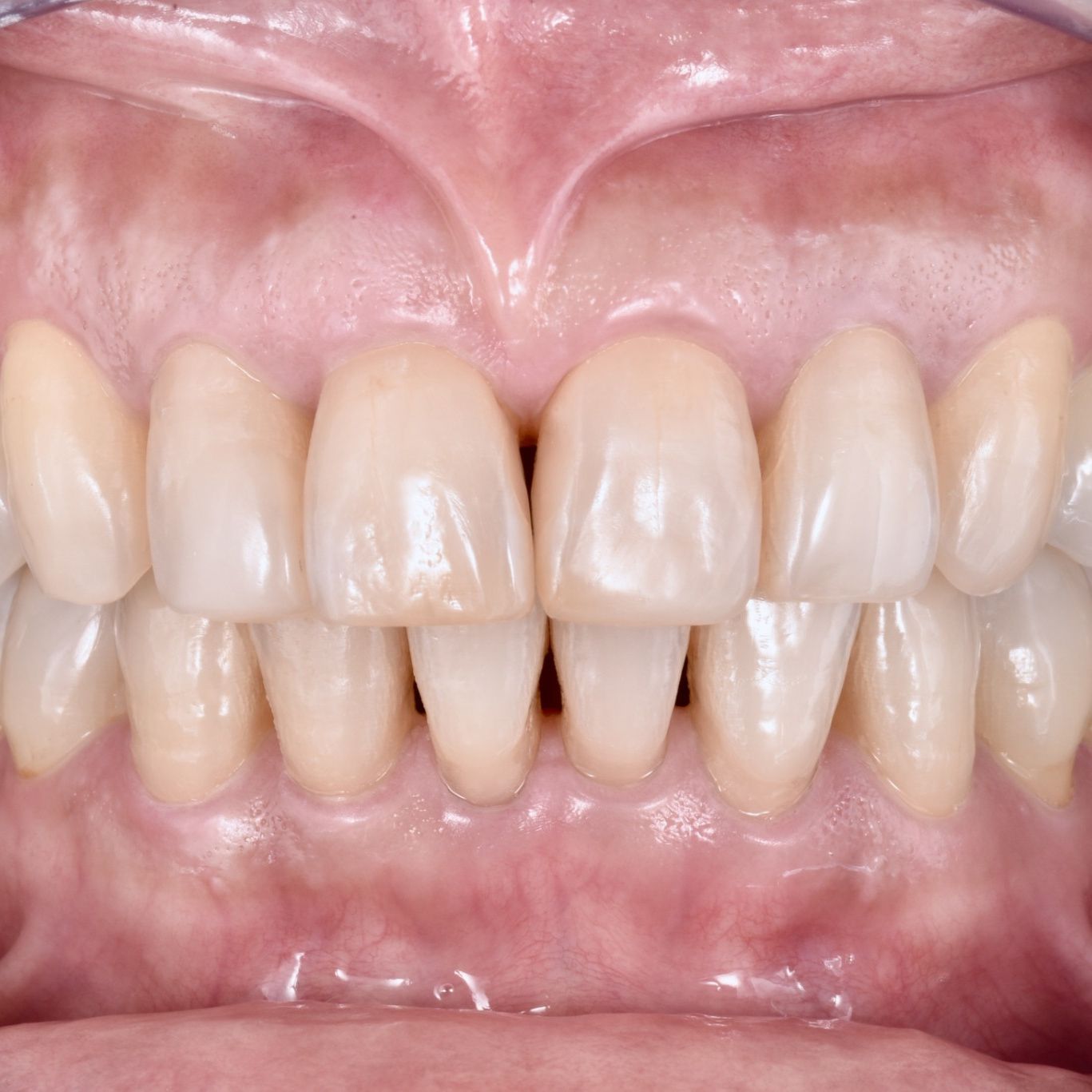
CASE 2
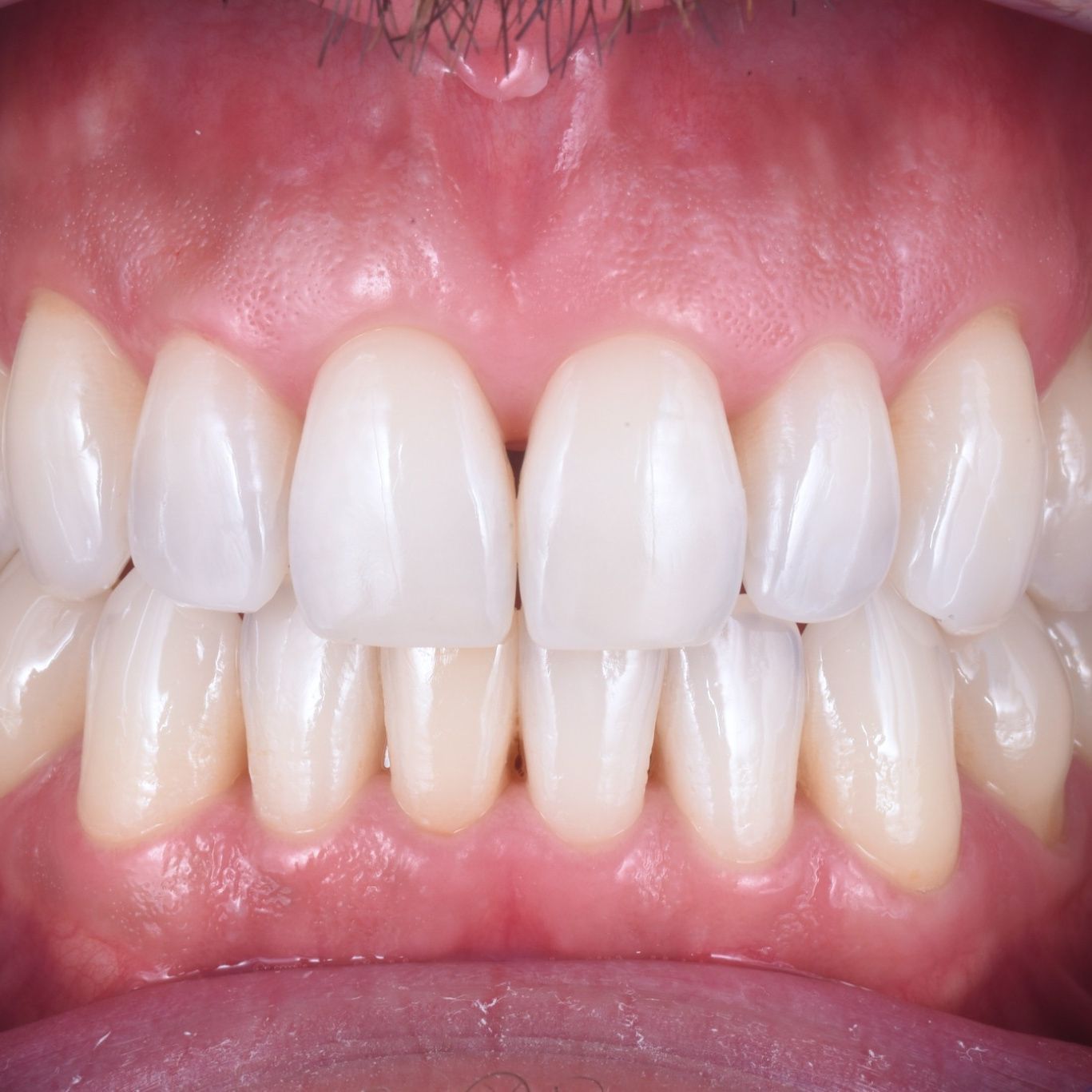
CASE 4
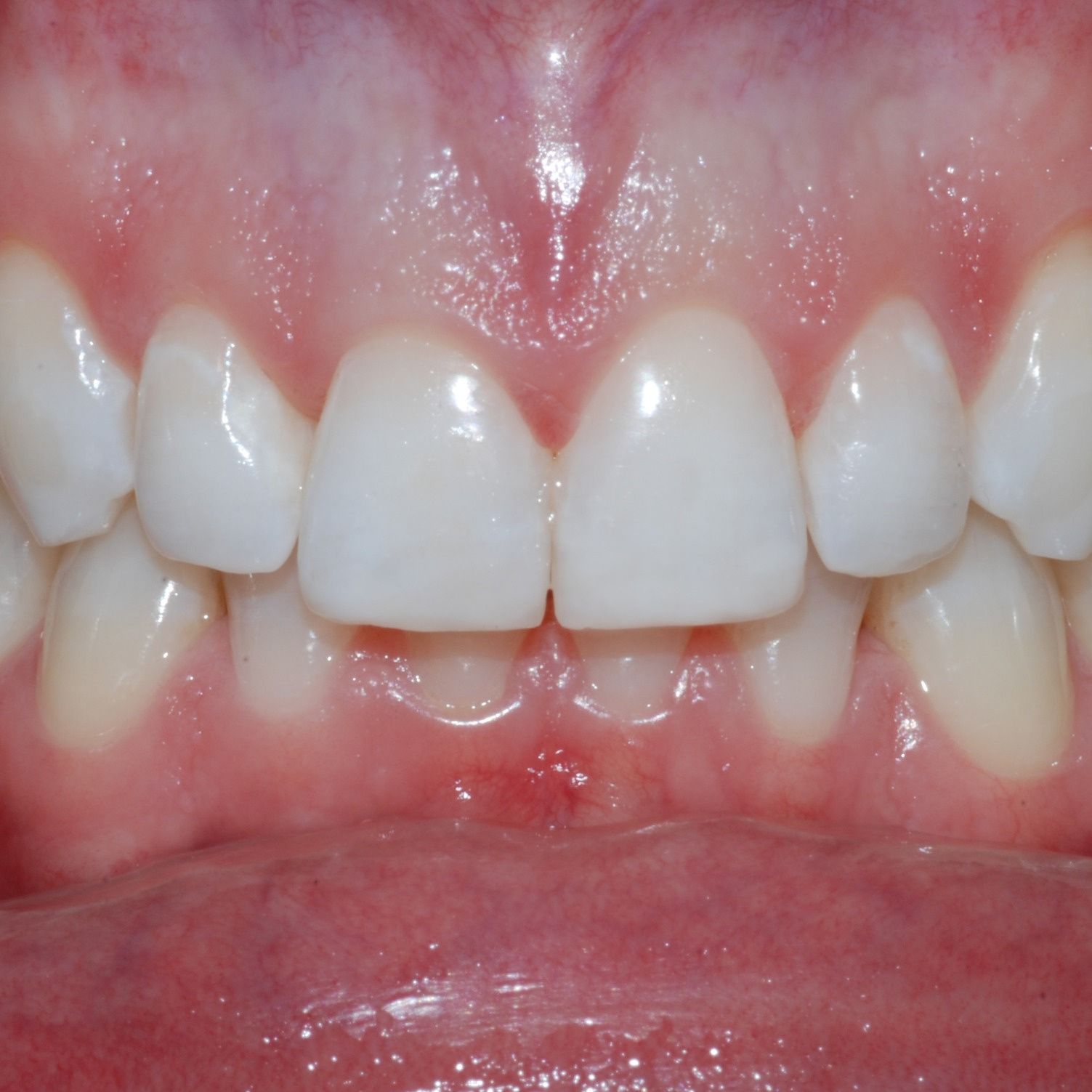
CASE 6
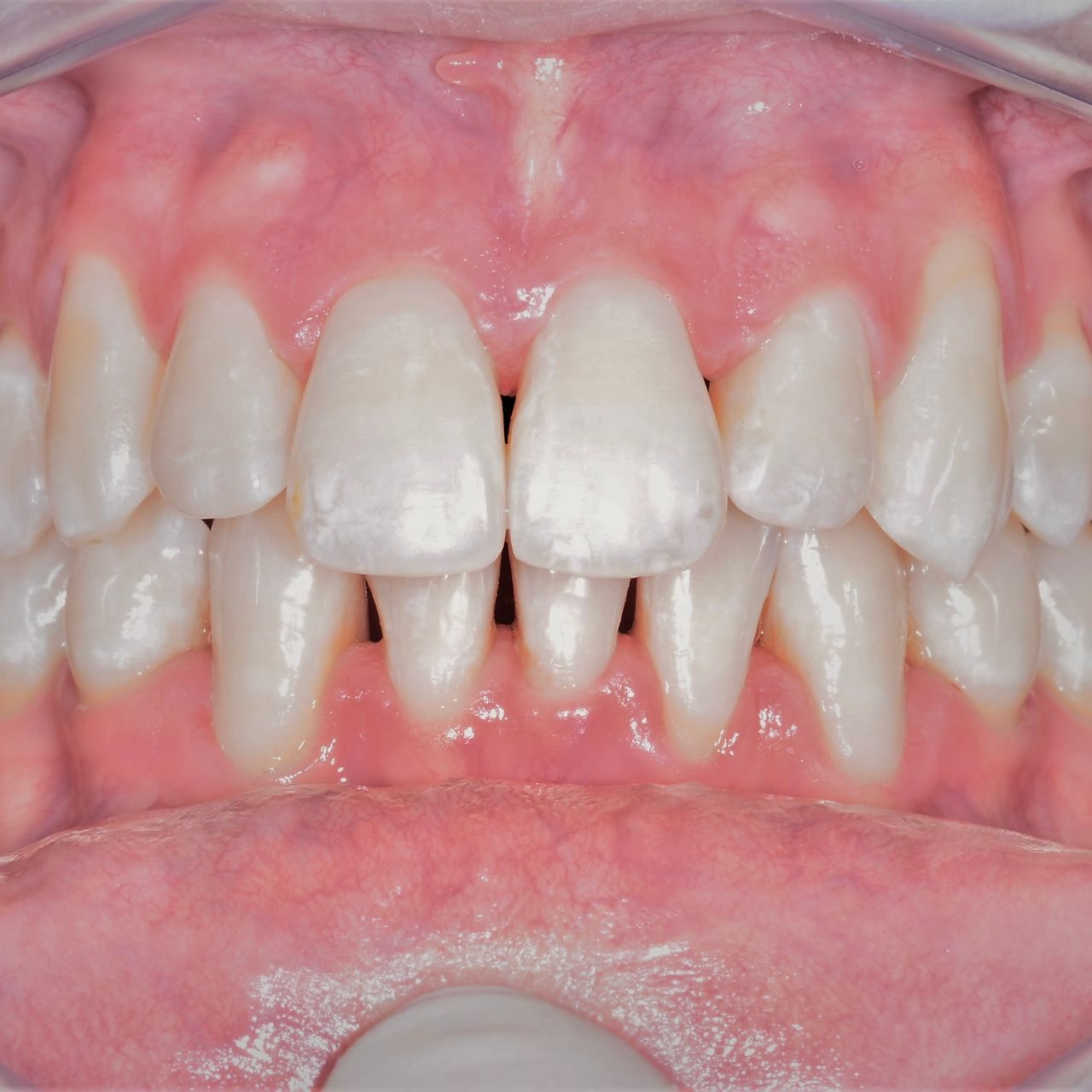
Aligner les dents avec des aligneurs transparents est toutefois bien plus qu’un simple traitement : c’est un processus. Les patients s’impliquent quotidiennement dans leur thérapie, en portant les aligneurs
22 à 23 heures par jour, ne les retirant que pour manger et effectuer leur hygiène bucco-dentaire. Avec le temps, cela crée une prise de conscience plus profonde de leur santé bucco-dentaire. Les patients commencent à ressentir les changements, à comprendre leurs habitudes d’hygiène et à développer un nouveau niveau d’attention et de discipline.
Cet aspect est essentiel. Comme le dit souvent Viviana : « Les aligneurs ne fonctionnent pas mal, ce sont les patients qui ne les portent pas assez. » Leur efficacité n’est pas seulement observée cliniquement, mais elle est également largement soutenue par la littérature internationale depuis de nombreuses années.
Chez l’adulte, l’orthodontie n’est que rarement un traitement isolé. Des années de fonction avec des malpositions ou des déséquilibres occlusaux entraînent souvent des
usures dentaires irrégulières ou de légères altérations structurelles. Une fois les dents alignées, elles ne présentent plus toujours leur forme d’origine, rendant les
restaurations minimalement invasives essentielles pour affiner et harmoniser le résultat final.
Dans le même temps, les aligneurs offrent la possibilité de réaliser un blanchiment dentaire pendant le traitement, une demande fréquente qui permet d’augmenter la luminosité et la vitalité du sourire.
À la fin du traitement, les bénéfices vont bien au-delà de l’esthétique. Les patients présentent une
amélioration de l’occlusion, un meilleur équilibre fonctionnel, une hygiène orale facilitée et, surtout, retrouvent une confiance naturelle dans leur sourire. C’est quelque chose que nous observons quotidiennement chez nos patients et qui est également soutenu par des données scientifiques montrant une amélioration de la qualité de vie liée à la santé bucco-dentaire après un traitement orthodontique.
En définitive, lorsqu’elle est bien planifiée et correctement suivie, la thérapie par aligneurs peut représenter une
véritable étape transformative. Non pas en créant quelque chose d’artificiel, mais en rétablissant l’équilibre, la santé et la confiance, permettant à chaque patient de retrouver un sourire naturel, confortable et pleinement en accord avec lui-même.
Pour nous, compte tenu de son importance centrale et de son impact en dentisterie moderne, cette approche n’est pas simplement un traitement parmi d’autres : elle constitue l’un des éléments les plus importants et les plus représentatifs de notre prise en charge au Geneva Smile Center.