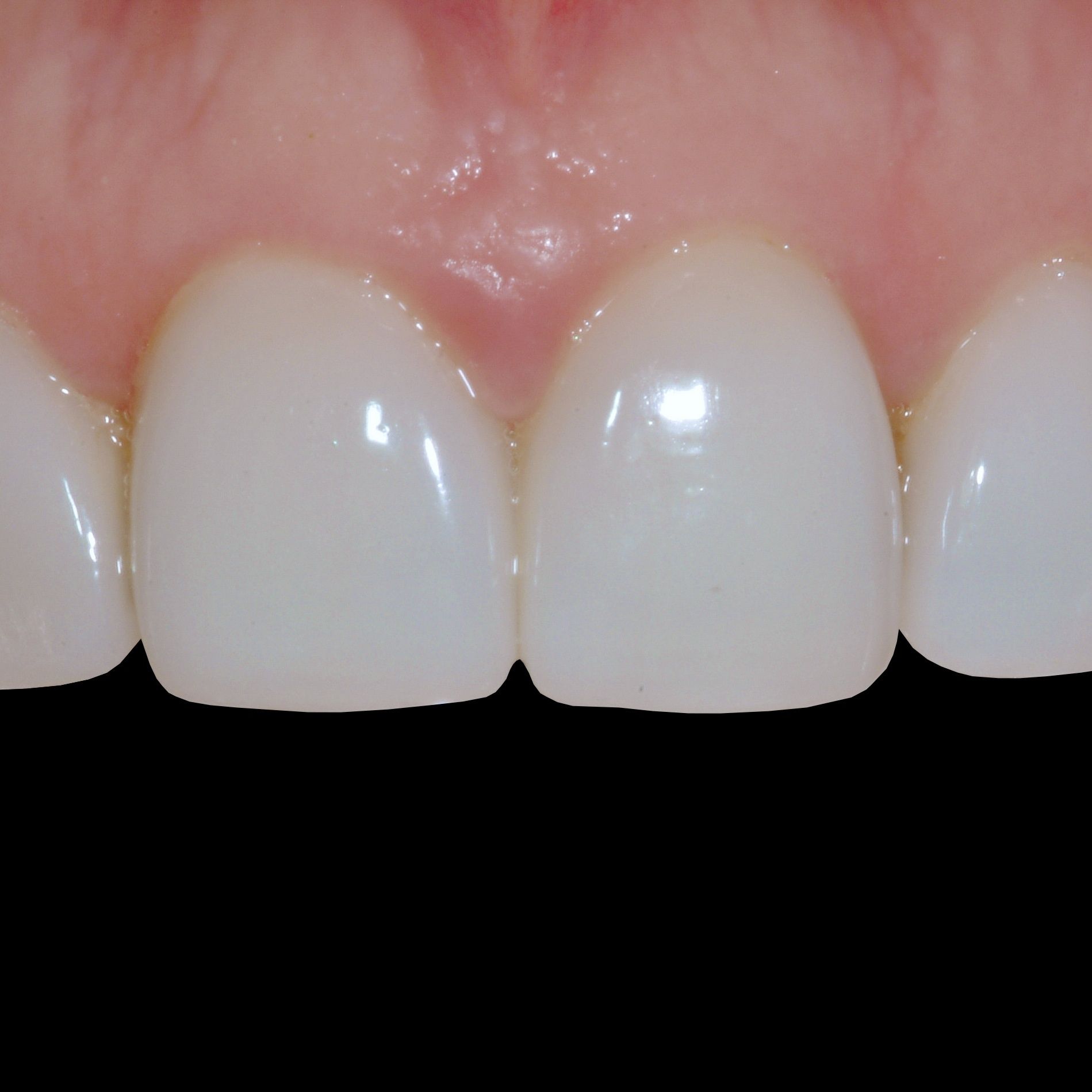

Ceramic Veneers
Precision, Craftsmanship and Personalization
Ceramic veneers are often considered the gold standard in aesthetic dentistry. Their excellent long-term survival, optical stability and ability to mimic natural enamel are well documented in the literature, with clinical studies confirming their reliability when correctly indicated and carefully executed.1
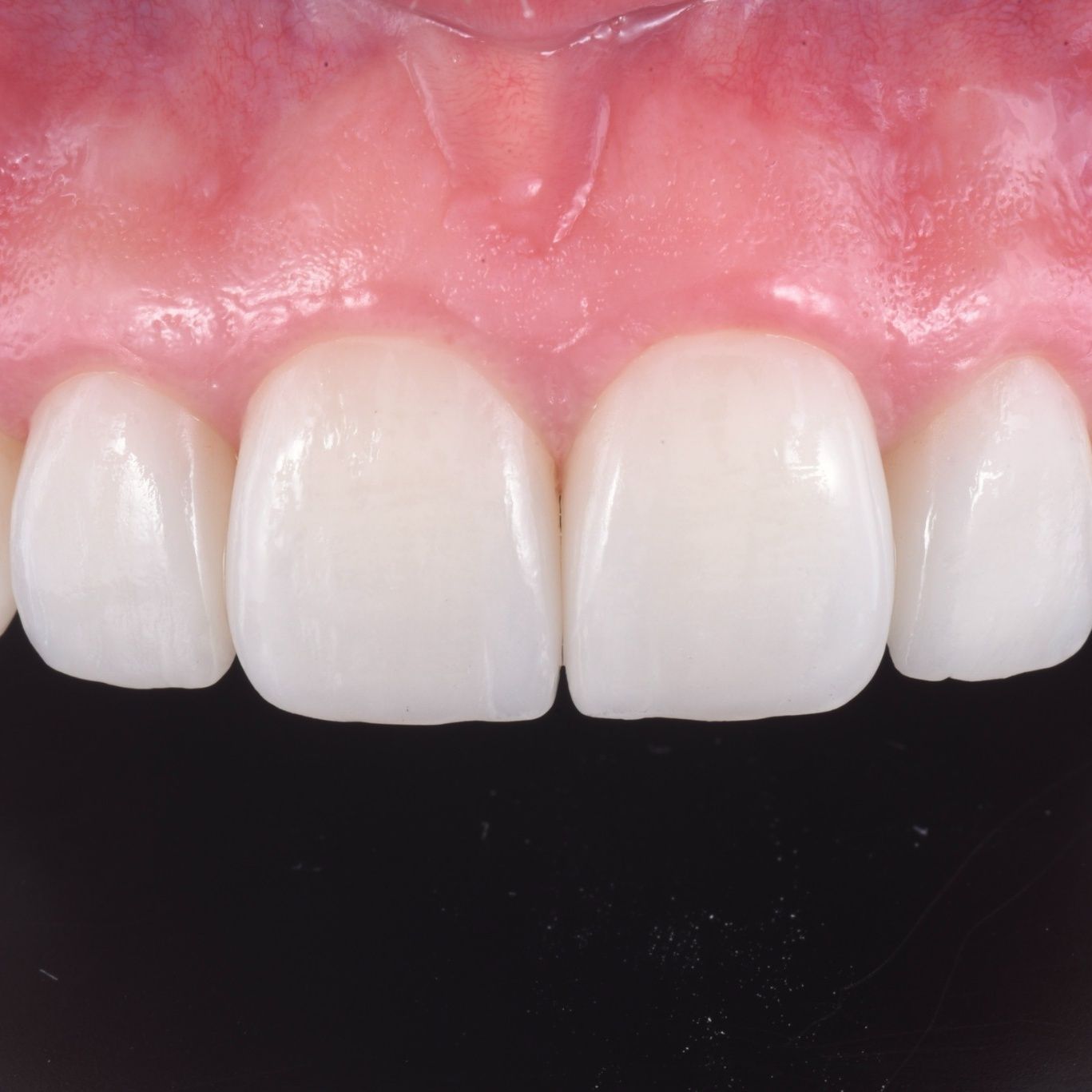
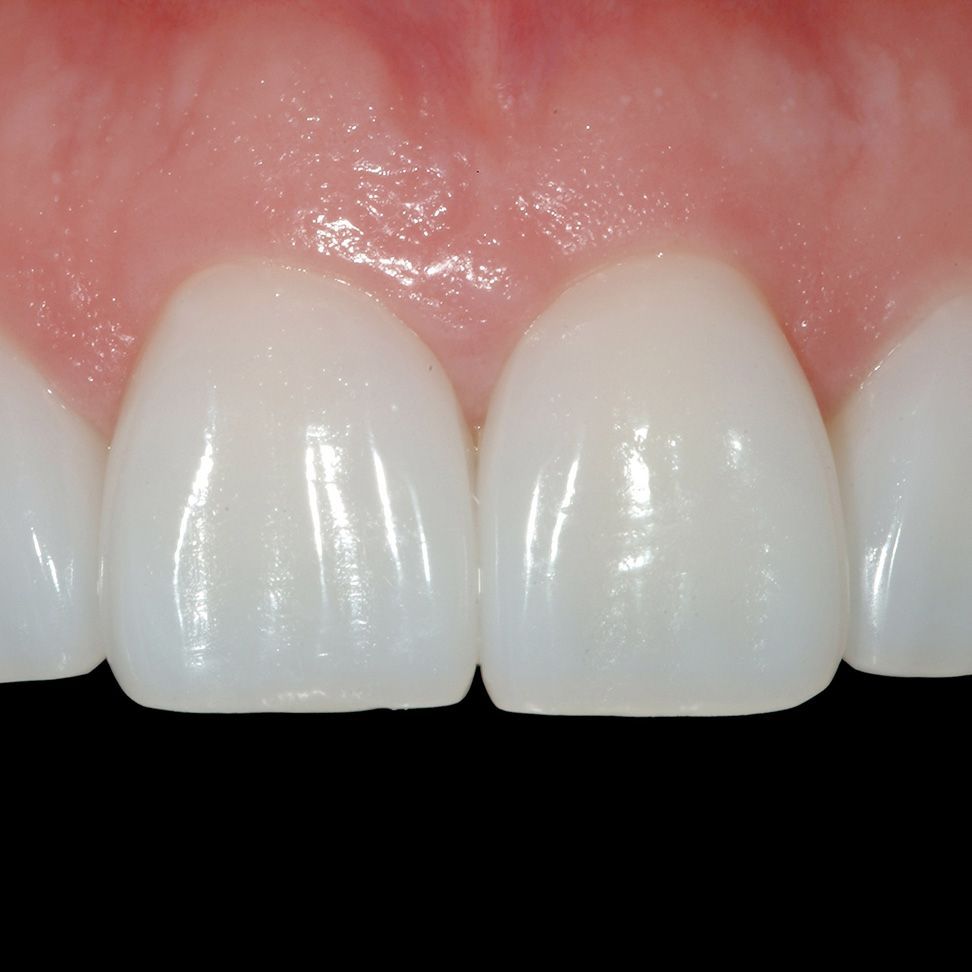
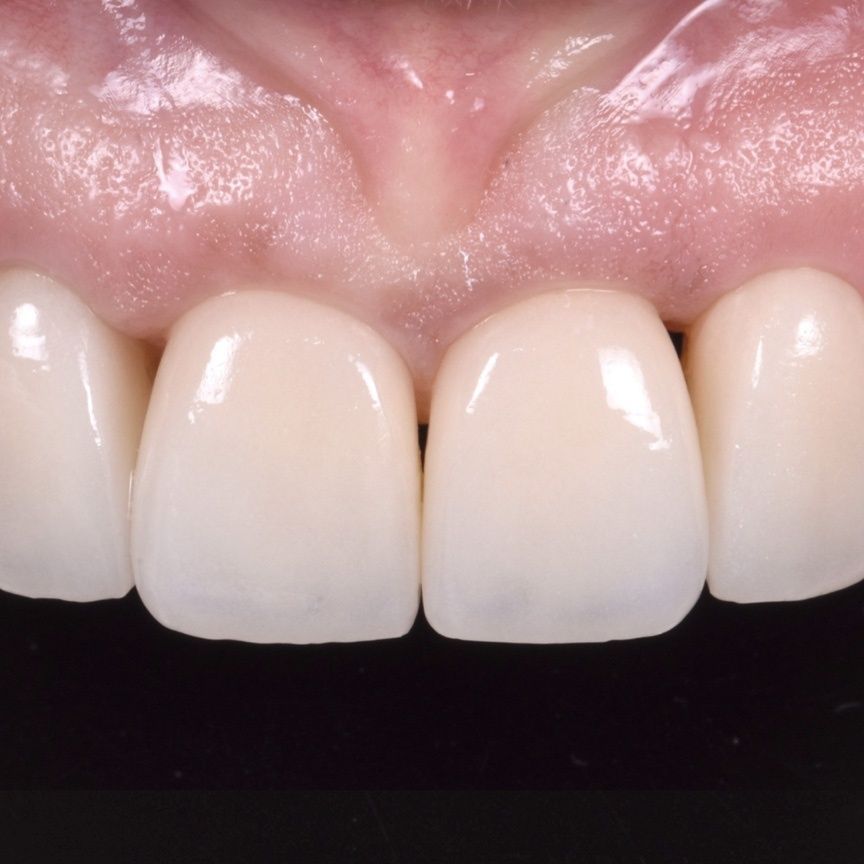
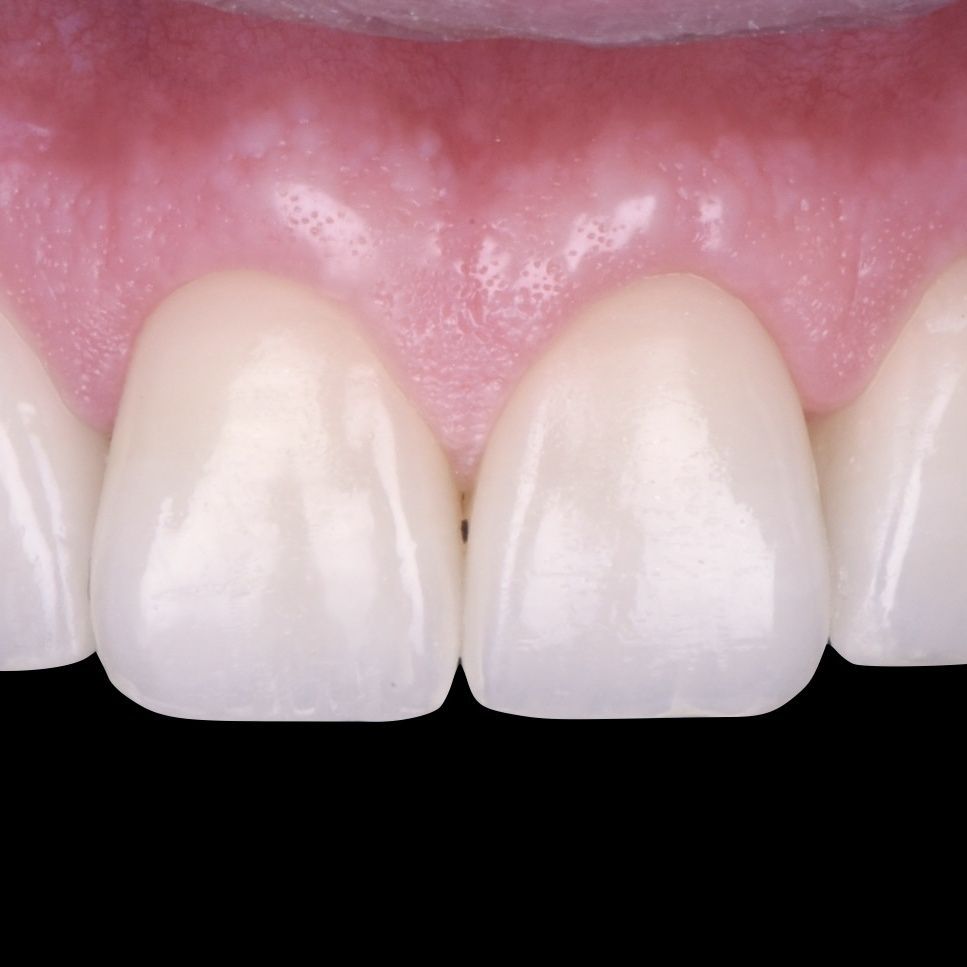
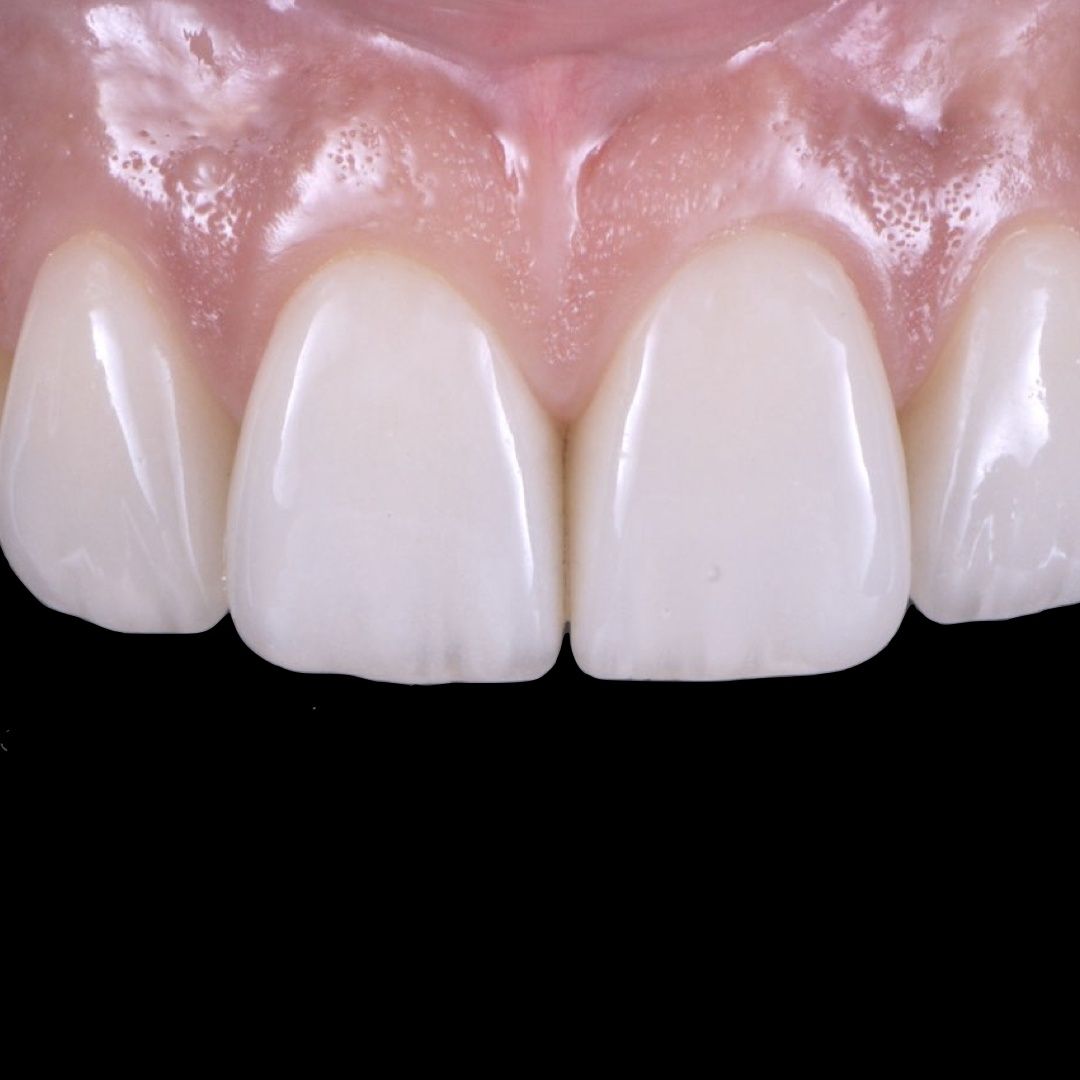
But ceramic veneers are much more than a technical solution. They are a meeting point between engineering and art. Today, extremely precise CAD/CAM technologies allow us to design and control shape, thickness and adaptation with remarkable accuracy. All to the benefit of preserving dental healthy tissues. At the same time, the final result still depends on the human eye and hand: the craftsmanship of the dental technician, the subtle characterization of the ceramic, and the ability to reproduce light, texture and natural individuality.
Because veneers are not all the same. Some patients desire a brighter, more uniform smile. Others prefer a more mimetic result, with small characterizations, nuances and translucencies. Some want a smile that enhances their appearance while remaining fully coherent with their age, personality and facial features.
This choice is made together. The best results come from a close collaboration between the dentist, the dental technician and the patient, with a shared objective : creating a smile that is beautiful, balanced and believable.
Only through careful analysis, precise planning and open communication can ceramic veneers truly express their full potential—not as a standard cosmetic procedure, but as a tailor-made restoration of harmony.
1 Alenezi A, Alsweed M, Alsidrani S, Chrcanovic BR. Long-Term Survival and Complication Rates of Porcelain Laminate Veneers in Clinical Studies: A Systematic Review. Journal of Clinical Medicine. 2021;10(5):1074. doi: 10.3390/jcm10051074.
CASE 1
CASE 3
CASE 5
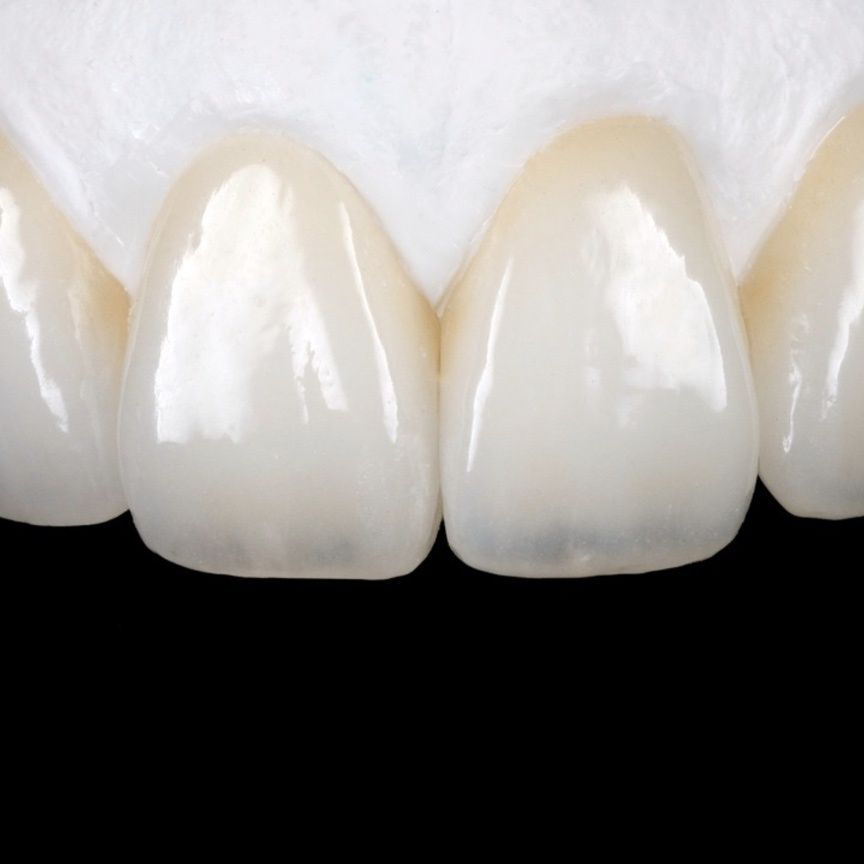
Mais les facettes en céramique sont bien plus qu’une simple solution technique. Elles représentent la rencontre entre ingénierie et art. Aujourd’hui, les technologies CAD/CAM extrêmement précises permettent de concevoir et contrôler les formes, les épaisseurs et l’adaptation avec une remarquable exactitude, toujours dans l’objectif de préserver au maximum les tissus dentaires sains. Mais malgré cela, le résultat final dépend encore du regard et de la main humaine : du savoir-faire du technicien dentiste, de la caractérisation subtile de la céramique, et de la capacité à reproduire la lumière, la texture et l’individualité naturelle.
Car toutes les facettes ne se ressemblent pas. Certains patients souhaitent un sourire plus lumineux et uniforme. D’autres préfèrent un résultat plus mimétique, avec de petites nuances, des caractérisations discrètes et des translucidités naturelles. Certains recherchent un sourire qui améliore leur apparence tout en restant cohérent avec leur âge, leur personnalité et leurs traits du visage.
Ce choix se construit ensemble. Les meilleurs résultats naissent d’une collaboration étroite entre le dentiste, le technicien dentiste et le patient, autour d’un objectif commun : créer un sourire beau, équilibré et crédible.
Ce n’est qu’à travers une analyse attentive, une planification précise et une communication ouverte que les facettes en céramique peuvent exprimer tout leur potentiel — non pas comme une procédure esthétique standardisée, mais comme une restauration sur mesure de l’harmonie.
1 Alenezi A, Alsweed M, Alsidrani S, Chrcanovic BR. Long-Term Survival and Complication Rates of Porcelain Laminate Veneers in Clinical Studies: A Systematic Review. Journal of Clinical Medicine. 2021;10(5):1074. doi: 10.3390/jcm10051074.