
CASE 5
A Matter of Shape
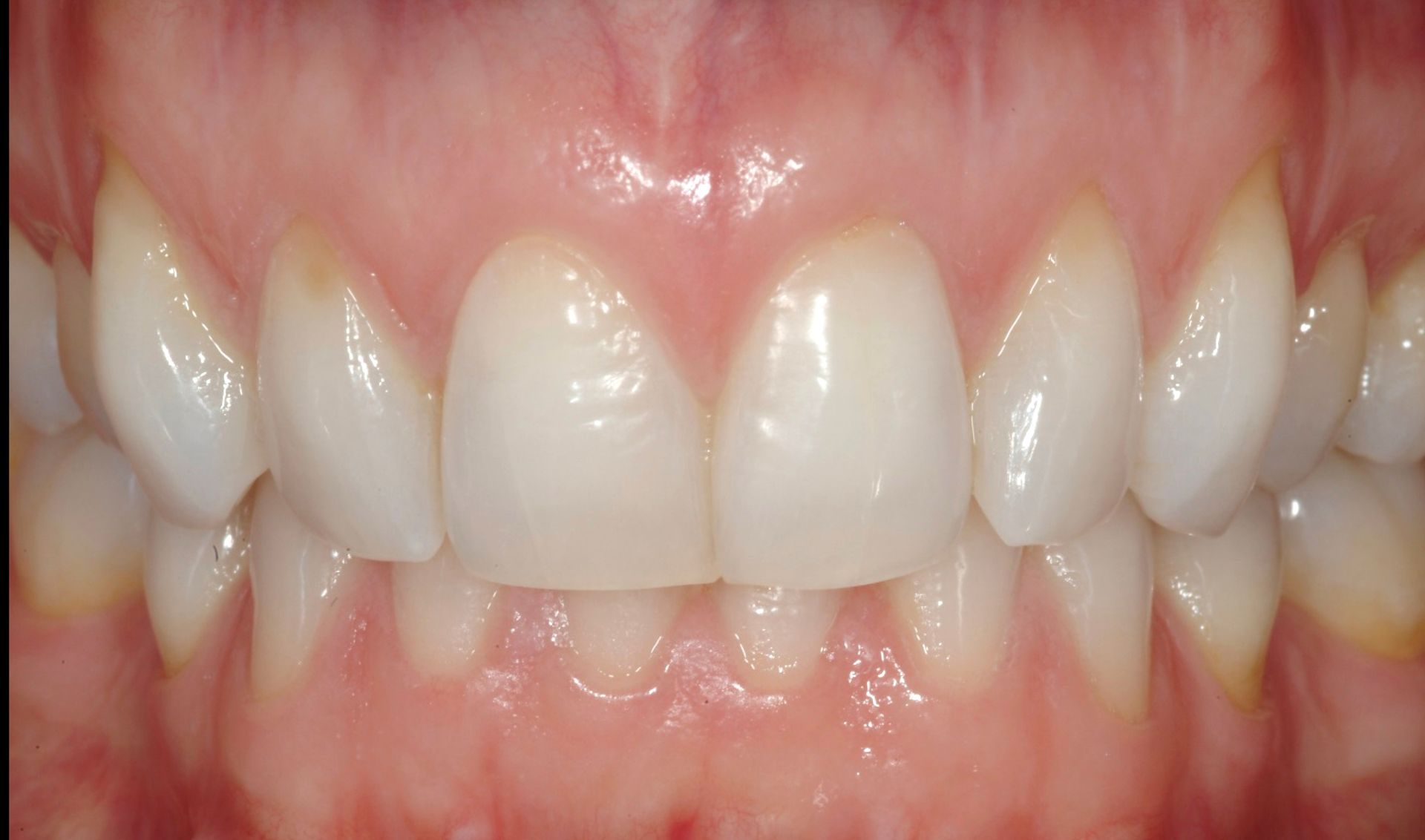
Some patients feel dissatisfied with their smile, but cannot always explain exactly why. The teeth may be healthy, the color may be acceptable, and yet something still feels unbalanced. In many of these situations, the key lies in the shape of the teeth.
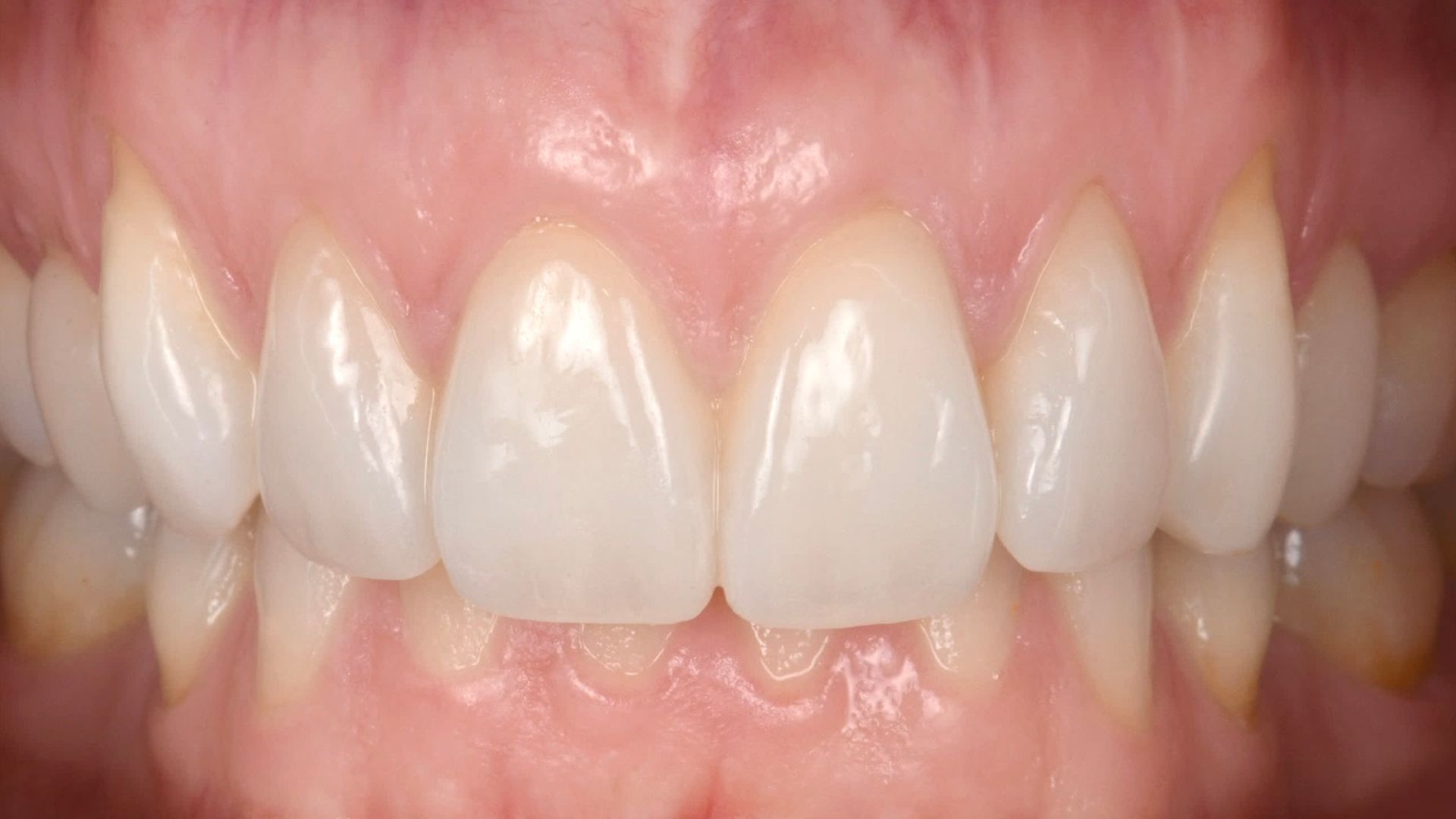
Squared geometries, sharp angles, pointed cusps, or overly marked edges can create tension in a smile. By contrast, softer and more rounded contours can restore fluidity, elegance, and visual harmony.
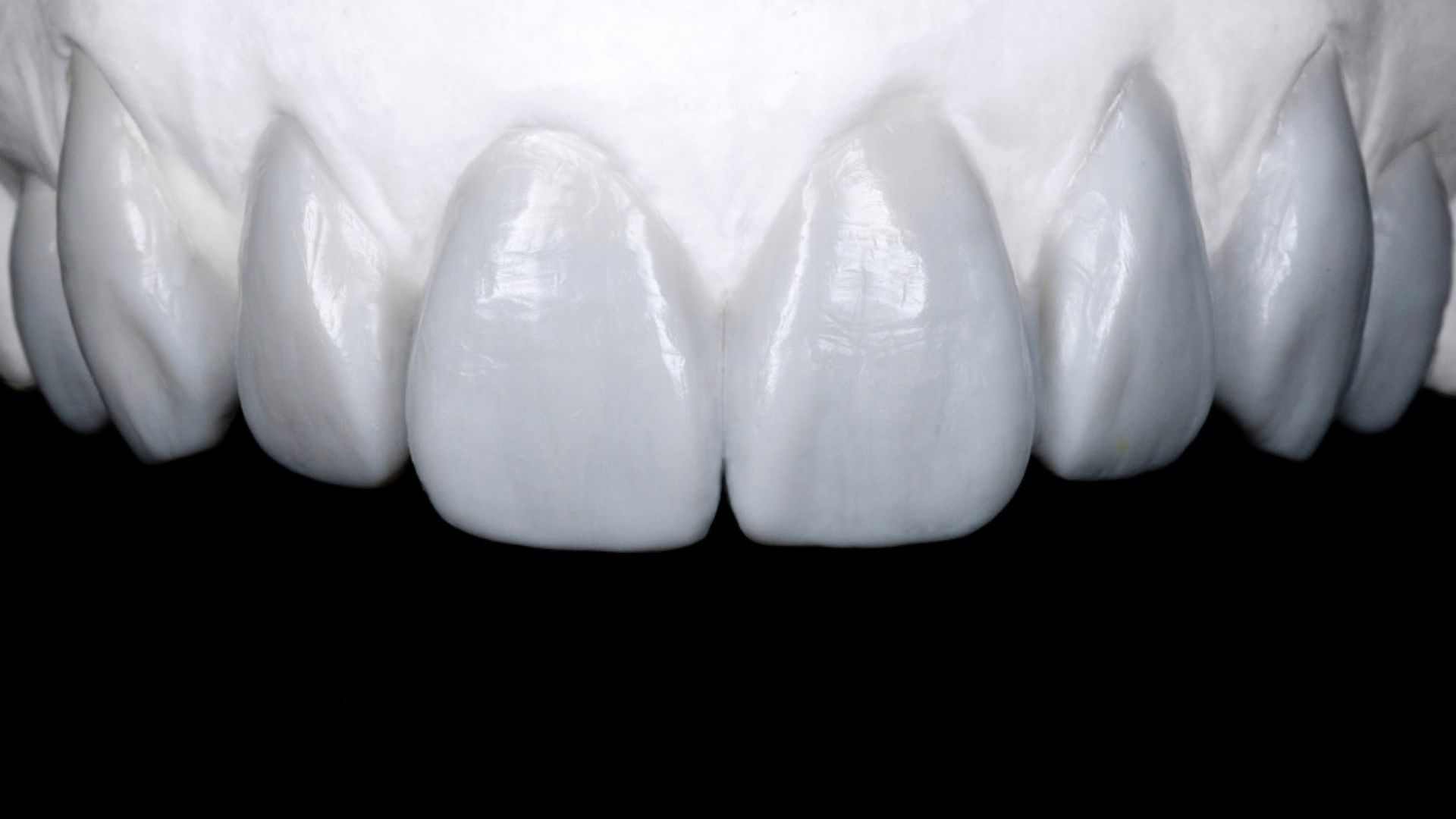
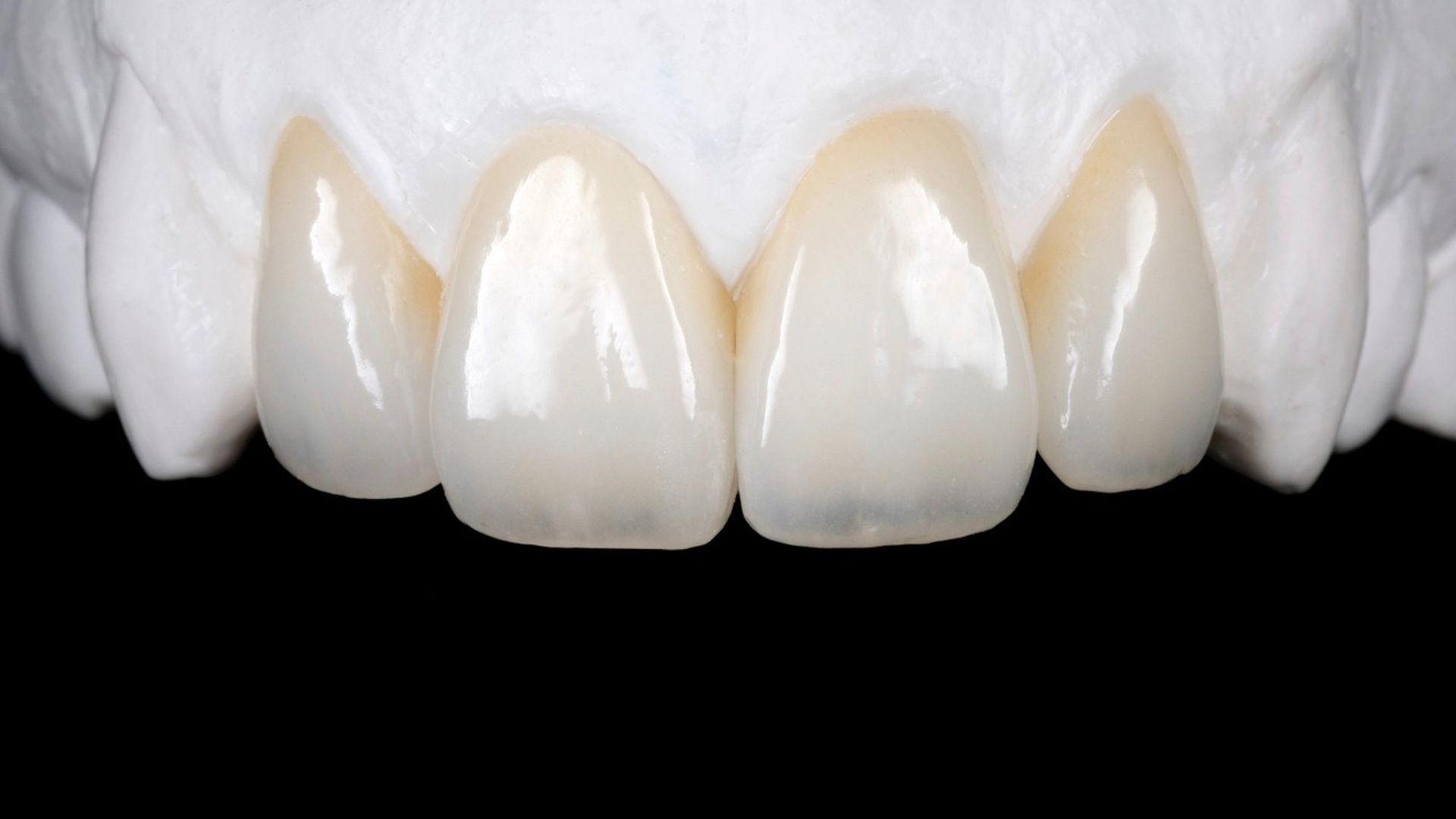
In this case, only four ultra-thin veneers were sufficient to achieve the desired effect. The chosen material was one of the most refined in aesthetic dentistry: hand-layered porcelain. Although this was the first technique historically described for porcelain veneers, it remains today the most beautiful ways to reproduce natural light, translucency, texture, and depth.
This is where technique becomes art. From the diagnostic project to the final porcelain restorations, the dental technician plays a central role. Each veneer is individually shaped, layered, textured, and characterized by hand, like a small custom-made piece designed to blend with the patient’s face, lips, personality, and smile dynamics.
This case reminds us that every smile requires its own reading and interpretation. There is no single treatment for every patient, and no standard recipe for beauty. The success of aesthetic dentistry lies in personalization: choosing the right material, the right design, and the right level of intervention for each individual smile.